By Zachary Shell for Denverite
On Denver’s east side, in the Mayfair neighborhood, the threat of wildfire feels distant. Streets are shaded, lawns are well-maintained, houses line the blocks. Natural disaster seems like a problem for elsewhere — out in the foothills and away from the heart of the city.
But for some residents, the Marshall Fire changed what seems possible. Grace Goodman, who has lived here for years, said watching that fire tear through parts of Boulder County made her think differently about how quickly a neighborhood like hers could be affected.
“After seeing how fast it moved up there,” she said, “it made me start to question what Denver would do. How prepared are we really?”

She’s not wrong to wonder. Denver’s risk isn’t the same as Boulder County, but it remains real. The city’s patchwork of parks, open space, and grassland can carry flames across neighborhoods faster than people expect, especially when wind and heat line up just right. It doesn’t take a forest — just ignition, heat, and time.
In the Cook Park area, resident Rick Phillips said he had the same reaction.
“I was just blown away by the Marshall Fire,” he said. “Can something like that happen in Denver?”
It’s a question residents rarely ask — and the answer would surprise some people.
What would a fire in Denver look like?
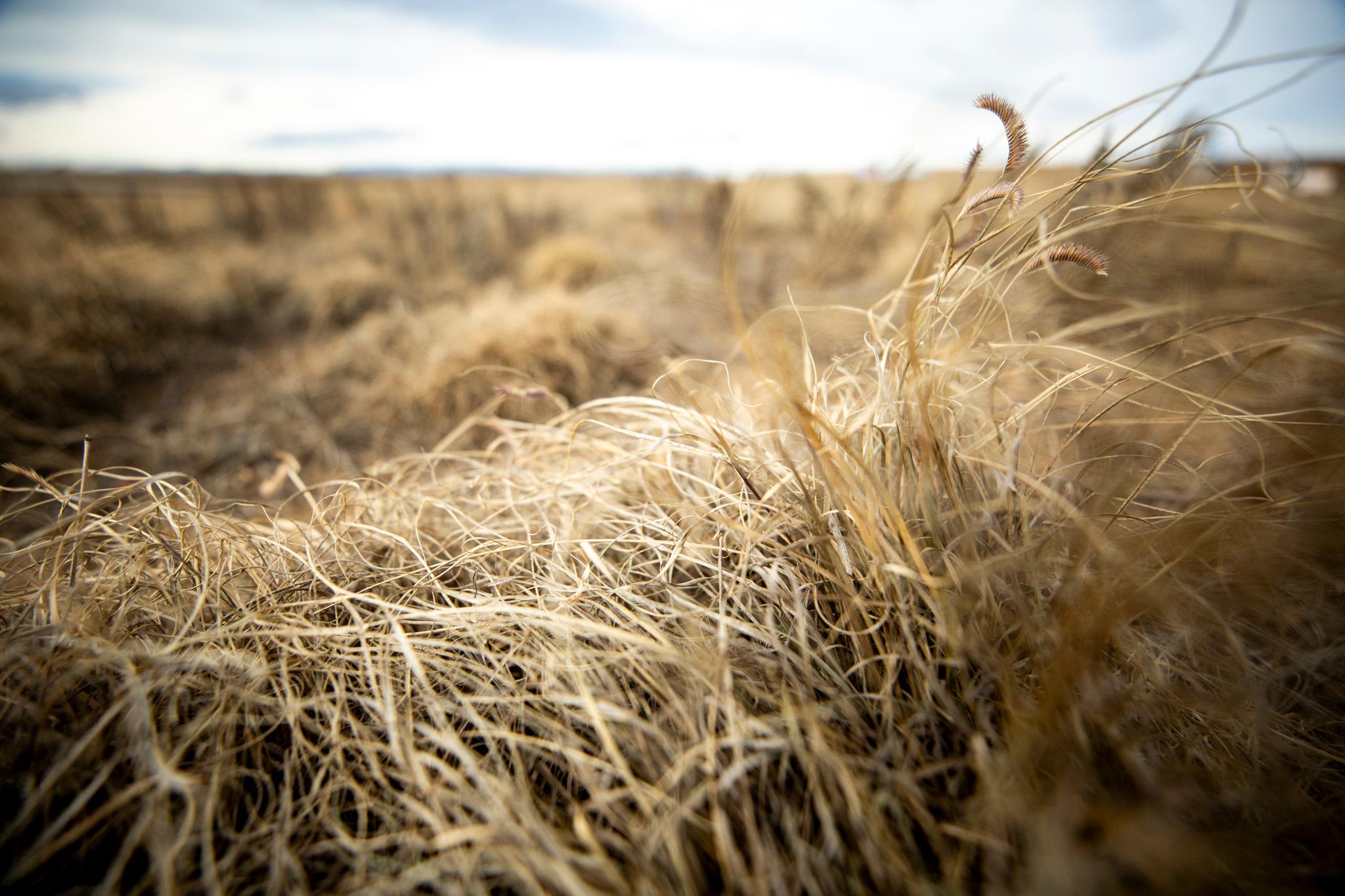
Denver has never seen a wildfire tear through homes the way it did in Louisville and Superior. The Marshall Fire was fueled in large part by the dry, sweeping grasslands that surround many suburban neighborhoods. That terrain is far less common in Denver’s core, though the city does still have more contained parks and open spaces.
What inner Denver does encounter are grass and brush fires: quick-moving flames that start in stretches of open space. These ignitions aren’t unusual, but they tend to be short-lived, either because crews reach them quickly or because the flames simply run out of fuel. The city also, of course, sees structure fires — including the one that recently consumed an apartment construction site sprawling over a full city block.
The concern isn’t whether a fire can start — it’s whether the conditions are right for it to spread. Under normal circumstances, dry grass burns fast, but flames usually stall when they hit pavement or gaps in vegetation. But when humidity is low and winds are strong, embers can jump ahead of the main fire.
Those sparks can then start stray ignitions that are harder to predict and contain. And if one of them pushes far enough, a fire that reaches a residential neighborhood presents a whole different set of risks: fences, mulch beds, and other flammable materials that give drifting embers ready-made places to ignite.
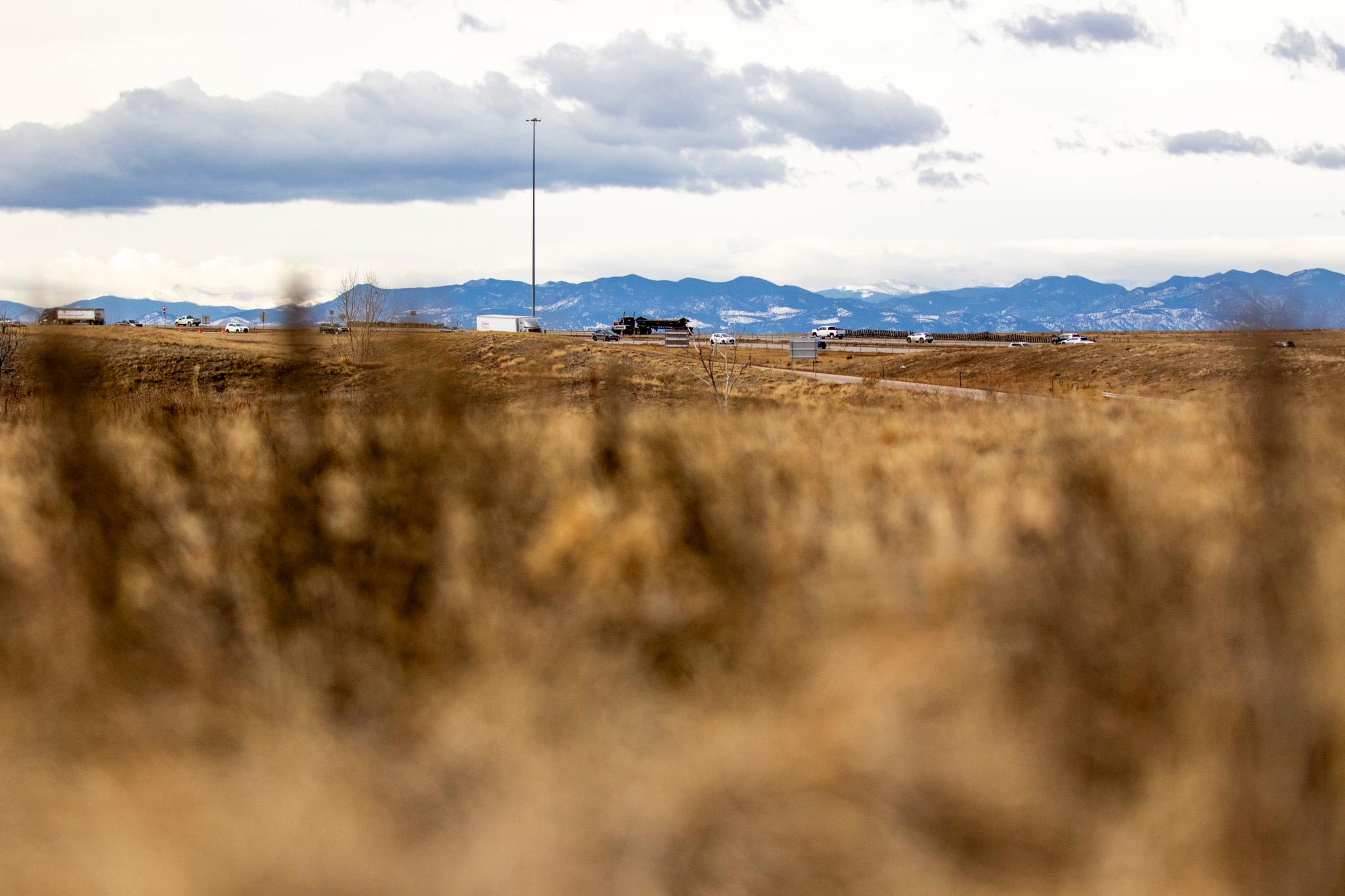
Officials say those kinds of spot fires — not a solid wall of flame — are the more realistic concern if a grass fire ever approaches Denver. The result wouldn’t be a sweeping wildfire front like the one that hit Louisville and Superior — just a handful of scattered flare-ups that could reach nearby homes before losing momentum.
Still, even limited damage would upend assumptions about what the city is vulnerable to. This is what worries Jim Remley, a Highlands Ranch resident who has spent the past two years studying wildfire preparedness. He said the issue isn’t a lack of information, but a lack of urgency.
“People pay attention once it happens,” he said.
He wishes awareness would come before the crisis.
David Powell, executive director of the Office of Emergency Management (OEM) agrees.
“Living in an urban environment, it’s not on people’s radars as much as if you lived in the foothills,” he said. “We have less wildfire risk — but the risk still exists.”
Is Denver prepared?
Wildfire preparedness in Denver isn’t a single plan. It’s shared across several city departments, with each agency focused on a different part of the work: prevention, planning, or response.
Response begins the moment a wildfire is confirmed. The first arriving fire officer notifies Denver’s 911 center, which activates alerts depending on the conditions and the immediate risk to people and property.
The city uses multiple systems to alert residents: opt-in emergency notifications, wireless alerts sent to cell phones in the affected area, and outdoor warning sirens to reach people en masse. (Ed. note: Here’s how to sign up for alerts in Denver and other counties. - AK) Alerts can be issued in English and Spanish, and — in certain situations — responders can even go door to door.
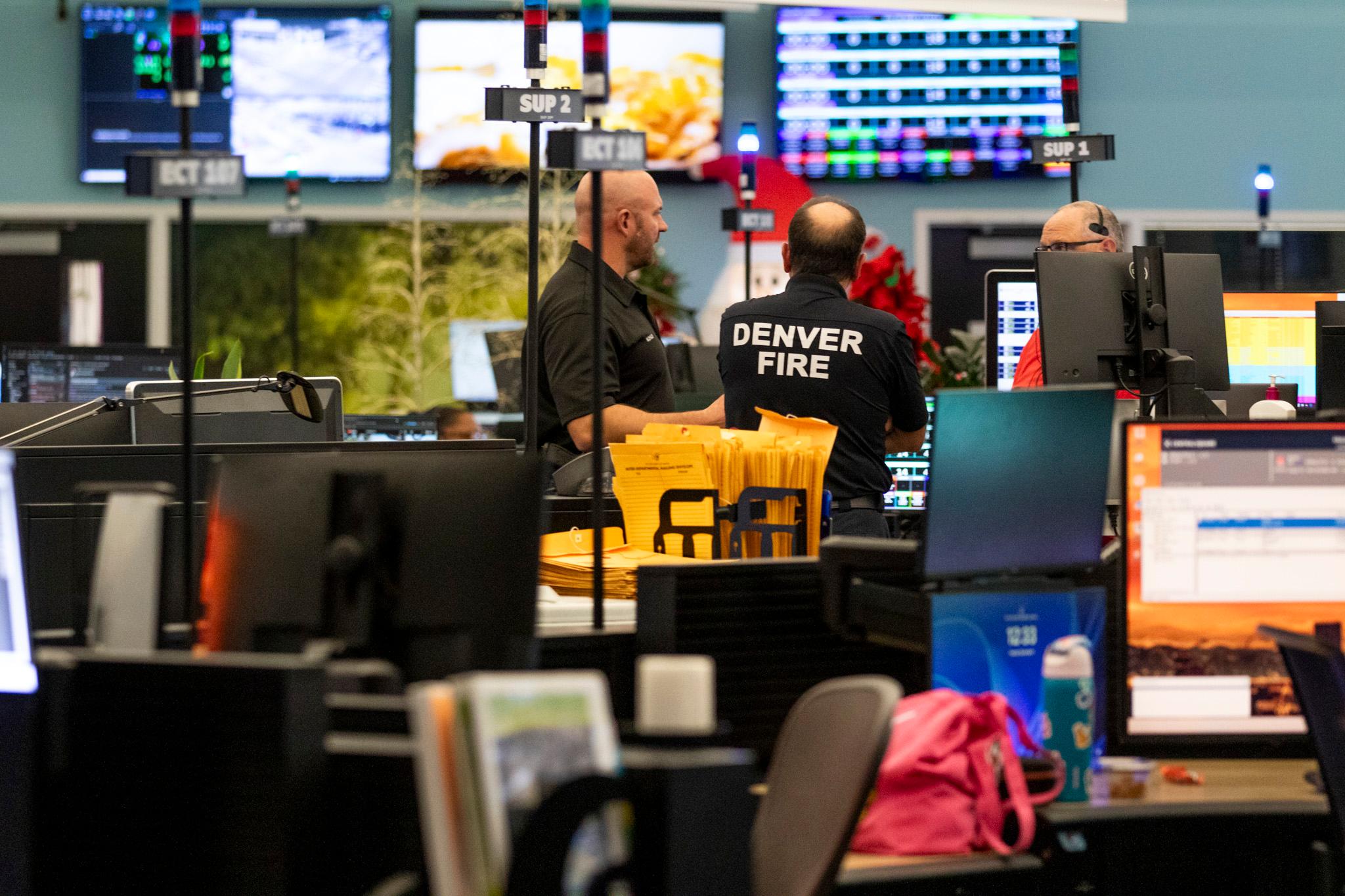
“We could potentially use one or all of those systems,” Powell explained. “And more and more, we’re using them in tandem.”
The goal, he said, is to reach as many people as possible, as quickly as possible.
If those alerts ever go off, the next move belongs to Denver Fire. The department maintains a comprehensive wildfire response capacity, supported by the largest wildland-certified team in Colorado: 214 firefighters trained for brush and grass fires, and backed by specialized engines and a mobile suppression unit.
Because wildfires rarely occur within one boundary, the department also utilizes a broader network of agencies. When flames move across open space or county lines, Denver Fire operates under a shared command, coordinating with neighboring districts to carry out the response.
Still, emergency alerts and fire suppression are only two parts of wildfire readiness. Much of Denver’s wildfire planning happens long before a spark ever catches.
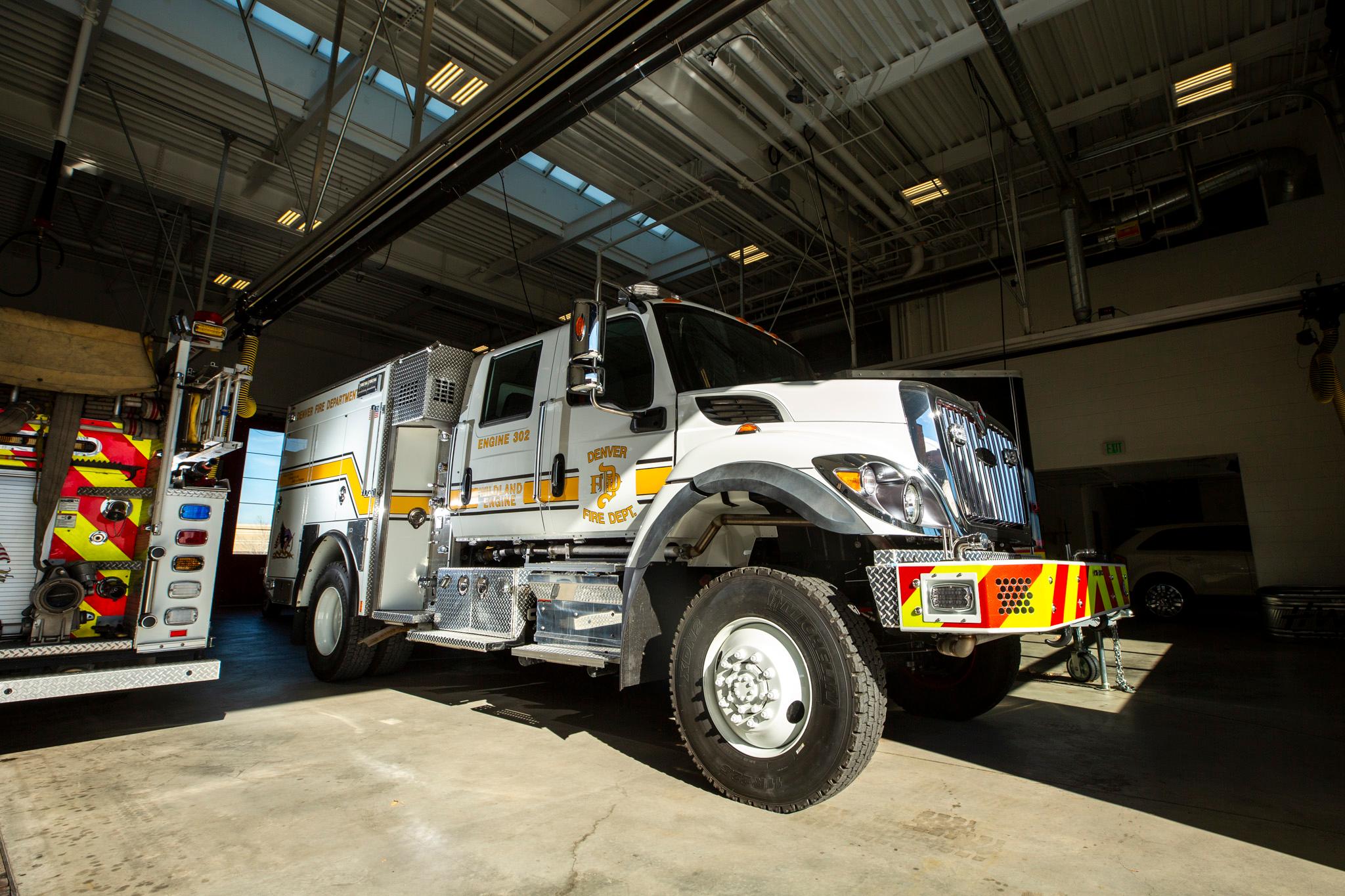
The Mountain Parks system, which includes more than 14,000 acres across the Front Range, is where much of the city’s mitigation work occurs. Crews thin out dense vegetation and restore forest structure. The work doesn’t draw much attention, but reducing fuel loads and restoring natural spacing can make a measurable difference when fires ignite — lowering flame height, slowing its advance, and giving responders more time to act.
In the parts of the city where neighborhoods border open grassland, Denver is preparing to adopt the state’s new Colorado Wildfire Resiliency Code — creating clearer, more consistent guidelines for fire-resistant home design and yard management.
“We’re examining best practices for homeowners near natural areas,” said Jonathan Wachtel, with the Office of Climate Action, Sustainability and Resiliency.
The code will offer guidance on reducing risk, with an emphasis on resilient, water-conserving landscapes built around native plants.
In the aftermath of the Marshall Fire, it’s clear that Denver’s agencies have taken wildfire readiness seriously, aligning standards and building partnerships across departments. But while that coordination is improving at the institutional level, the momentum beyond those agencies — among local organizations and residents — has been slower to build.
“Colorado is terribly unprepared for urban wildfires,” Remley said. “Homeowners associations, community associations, metro districts, the state — they just haven’t come down on this very well.”
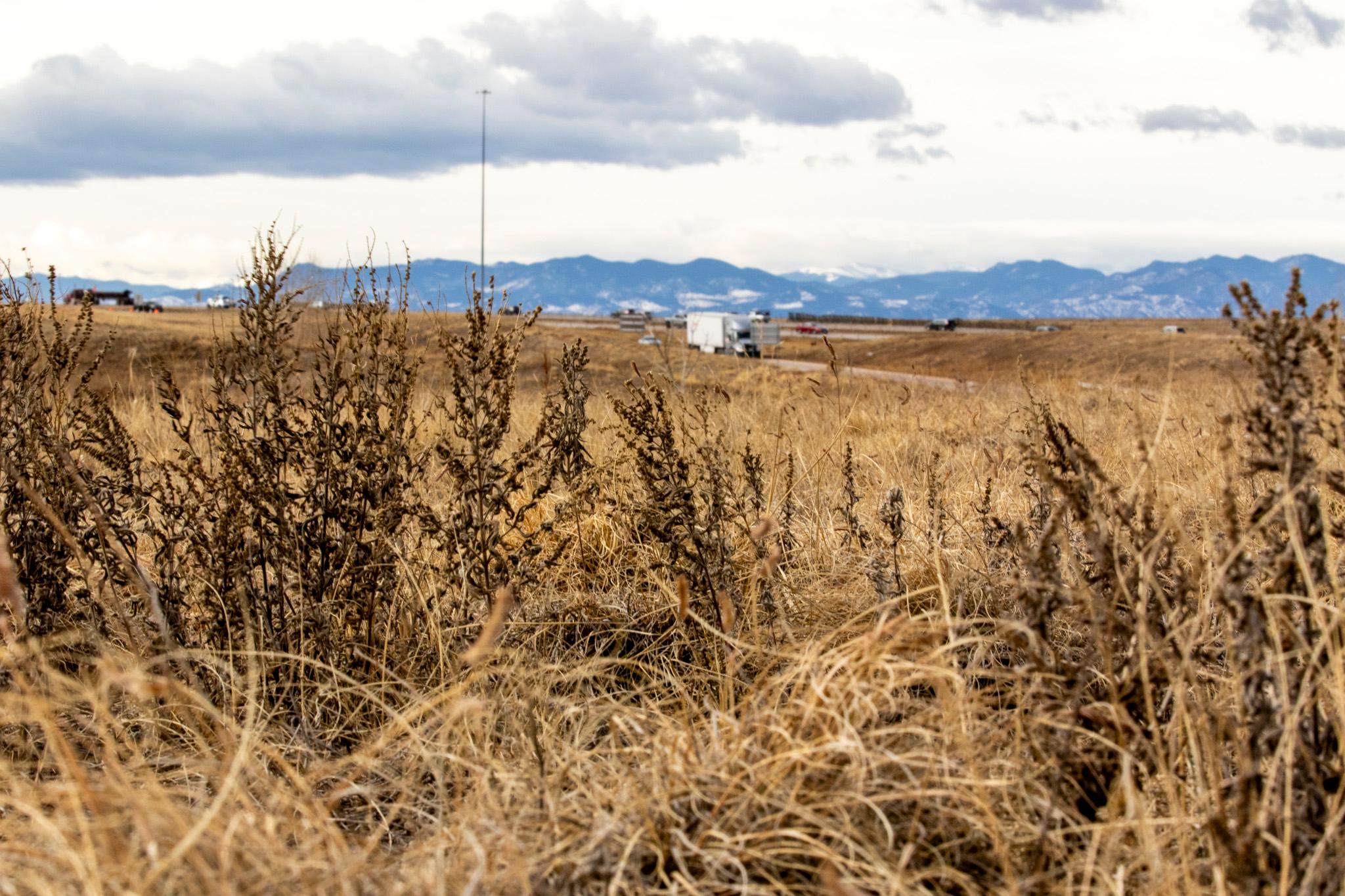
Even where risks are mapped and understood, action often depends on whether residents feel the danger. Many still don’t.
Remley said he sees a difference in places that have faced fire risk up close. There, preparedness can become part of everyday life: brush gets cleared, evacuation routes get rehearsed, the threat stays close in mind. In much of Denver, that familiarity isn’t there — and risk can feel abstract.
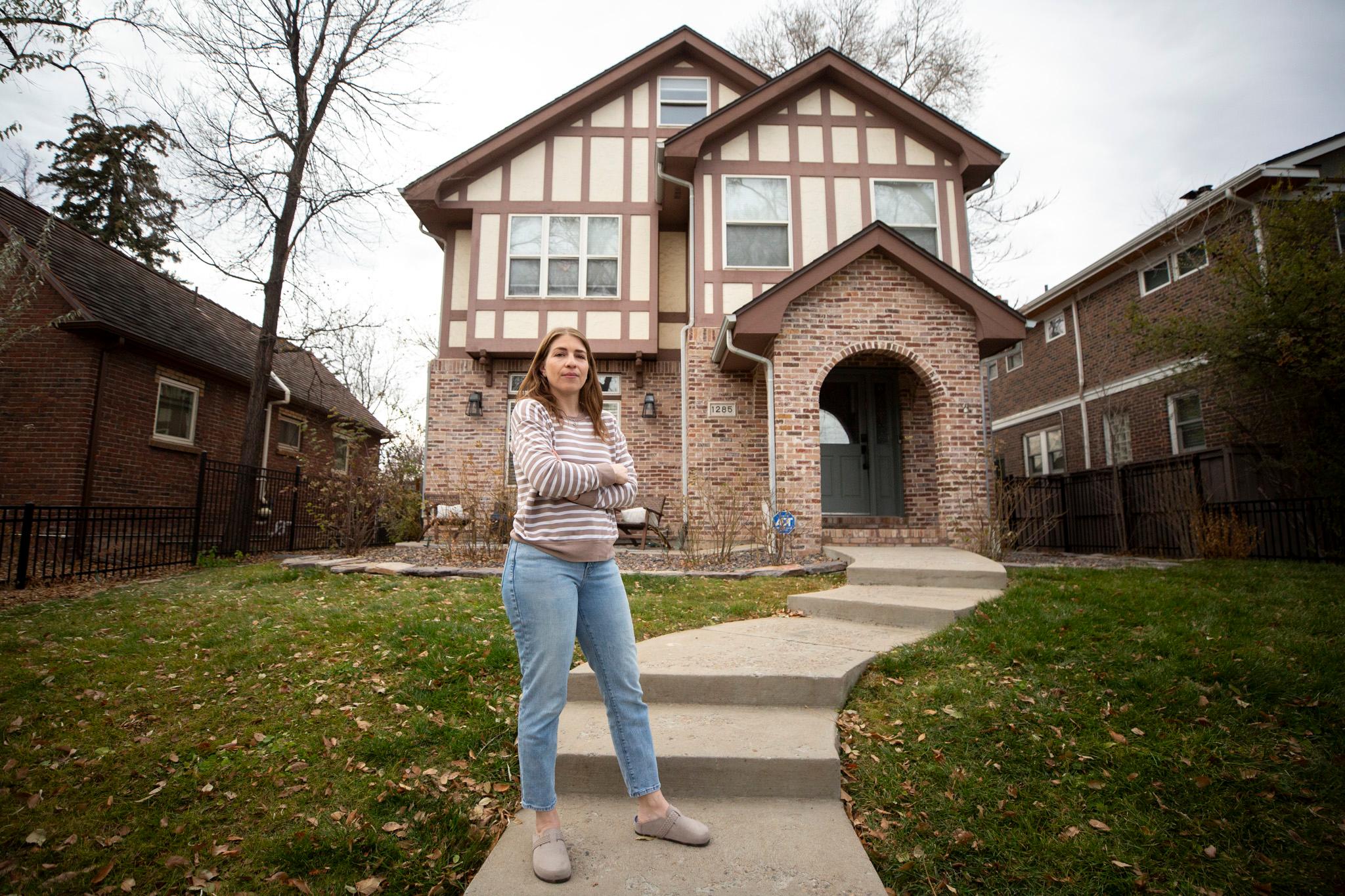
Back in Mayfair, the stillness feels different now. The same quiet streets and shaded walks remain, the same late-day breeze moving softly through yards. But for Grace Goodman, that quiet no longer means absence of risk — only a reason to stay attentive.
“I don’t have a go bag or anything like that,” she says, "and I don’t know if that’s something I really even need. Denver is relatively natural disaster okay. But with these events happening more regularly, I do wonder if we’re as nimble and prepared as we should be.”
Maybe the question isn’t, "Are we safe?" Maybe it’s, "Are we ready?"
Wildfire risk isn’t just a hypothetical threat hovering somewhere beyond the foothills. It’s in the way open space runs through the city. It’s in the closeness of homes and yards. It’s in the ordinary, everyday landscapes where dry grass and wind can meet.
That’s why, for Jim Remley, readiness isn’t a plan written in a city office, and awareness begins before the sirens — with neighbors paying attention to their own trees and fences, HOAs updating outdated landscaping rules that increase risk, and a public willing to acknowledge the threat that’s already here.
“It’s going to take some effort to change the tide,” he told me. “But I do believe it’s possible.”